Categories
Environment

2012 Atlantic Hurricane Season Review

2012 Atlantic storm tracks

Summary:

  • No effects on Anna Maria Island besides some temporary beach erosion by Debby.
  • 2 storms (Alberto, Beryl) formed prior to official season start June 1
  • Earliest “D” named storm ever recorded
  • No “major hurricanes” (Cat 3 or higher) made US landfall
  • 4 storms made US landfalls (Beryl, Debby, Isaac, Sandy)
  • Largest storm area of 900 miles across ever recorded (Sandy)
  • Hurricane Sandy (Cat 2) caused major wind damage and flooding to NJ and NY shorelines with peak surge coinciding with high tide.
Atlantic Hurricane SeasonJune 2012 forecast 2012 Actual
Named storms (>35mph)1319
Hurricanes (>72mph)510
Major hurricanes (>111mph)21
US landfall likelihood48%21%
Gulf Coast landfall28%5%

Beryl – Tropical Storm, 65mph wind, May 26-30, landfall Jacksonville Beach Florida, heavy rain in Cuba, Bahamas, South Florida

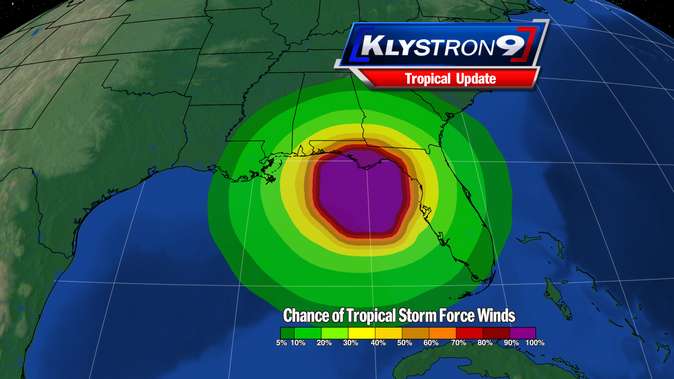
Debby – Tropical Storm, 60mph wind, June 23-26, landfall Steinhatchee Florida, heavy rain in north Florida with west coast beach erosion
Categories
Environment

Tropical Storm Debby Flooding

Tropical Storm Debby formed off the Gulf Coast June 23 northwest of Tampa with a poorly defined center and no obvious direction of travel. But as the wind field grew wider while it remained almost stationery, the effects of the tropical moisture with persistent rainfall and wind wore away the resistance of beaches and its inhabitants.

By Monday June 25, constant battering by 20 – 40 mph wind and 10″-16″ of rain took its toll on shorelines and low lying property. Combined with high tides, a 2-3 foot storm surge poured over seawalls, rose up through storm drains and flooded streets and yards. Tropical Storm Debby wind field

Saturated ground had nowhere to drain. Streets and yards remained covered with water even as the tide dropped but the surge raised the sea-level. Onshore wind pushed the sea state higher over the shore. Softened soil and gusty winds uprooted some trees and sent limbs and palm fronds flying.

Categories
Environment

2012 Atlantic Hurricane Season Forecast

Hurricane season officially begins June 1 but sometimes a tropical storm forms before then. Since records began in 1851 there have been 23 seasons that have had storms prior to June 1. 2012 had two such early arrivals of Tropical Storm Alberto off the coast of the Carolinas, and Tropical Storm Beryl near the Georgia and Florida border.

The Atlantic basin hurricane season of 2012 forecast released April 4 by the Colorado State University Department of Atmospheric Science from Dr. Philip J. Klotzbach and Dr. William Gray predicts reduced activity for 2012 compared to 1981-2010, and below-average probability of a major hurricane landfall along the US coastline and in the Caribbean.

“The tropical Atlantic has anomalously cooled over the past several months, and it appears that the chances of an El Niño event this summer and fall are relatively high.

The forecast is based on a new extended-range early June statistical prediction scheme that utilizes 29 years of past data.

Coastal residents are reminded that it only takes one hurricane making landfall to make it an active season for them, and they need to prepare the same for every season, regardless of how much activity is predicted.”

Categories
Environment

2011 Atlantic Hurricane Season Review

2011 Atlantic Hurricane Tracks

Highlights:

  • No effects on Anna Maria Island
  • No Florida landfalls
  • Slightly above long-term average named storms
  • 3 US landfalls, 2 in Gulf (Don, Lee, Irene)
  • Hurricane Irene caused extensive damage to east coasts states from NC to NY.
Categories
Environment

2011 Atlantic Hurricane Season Forecast

The forecast for the Atlantic basin hurricane season of 2011 has been released by the Colorado State University Department of Atmospheric Science from Dr. Philip J. Klotzbach and Dr. William Gray.

They continue to foresee above-average activity for 2011, and above-average probability of a major hurricane landfall.

“We have decreased our seasonal forecast slightly from early December, due to anomalous warming in the eastern and central tropical Pacific and cooling in the tropical Atlantic.